The Saving Power
A manifesto against despair. We analyze the mechanics of moral progress and the ecological imperative in a world of permacrisis.

The Status Quo
It’s January 2026, and the usual rituals of self-optimization feel hollow. Normally, we’d be obsessing over private resolutions—more exercise, less sugar, more mindfulness. But this year, these small tweaks seem almost absurd. The moment we look up from our screens, we confront a world that feels like it’s coming apart at the seams.
“Permacrisis” isn’t just the word of the hour; it has become our baseline reality. Destructive forces seem to be compounding exponentially: wars, climate tipping points, societal fracture. To many, it doesn’t just feel like a crisis anymore—it feels like we are steering straight towards an abyss.
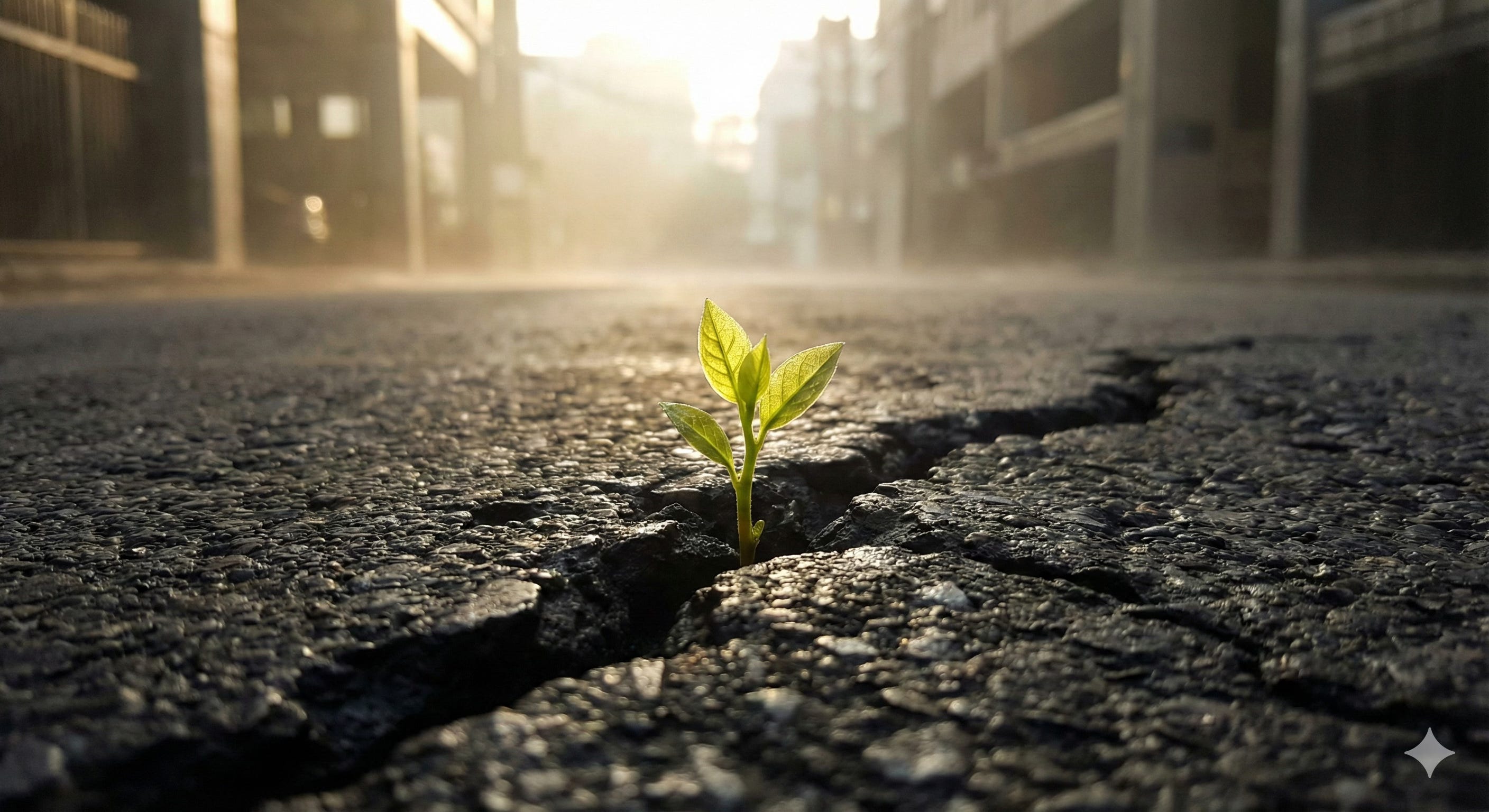
In such moments, one is reminded of the poet Friedrich Hölderlin, who wrote a sentence that is more relevant today than ever: “But where the danger is, also grows the saving power.” We often read this merely as a pious wish. But I am launching this series because I am convinced: It is more than that. It is a fact. The saving power is indeed growing. We just often overlook it because it is quieter than the noise of catastrophes.
The Discovery of the Good
I want to venture a thesis that might sound dangerously naïve in our cynical times, yet it is grounded in both philosophy and history: Moral progress is real. We don’t just invent “the Good” the way we invent fashion trends. We discover it—like a law of nature.
Consider an apple tree. It doesn’t just exist; it follows an internal script. It wants to blossom. It wants to bear fruit. It strives for unfolding. We humans are no different. We are driven to unfold our talents, to become the “best possible version” of ourselves. But unlike the tree, we are free in this process—and we are not alone.
We are slowly beginning to understand what has always been biologically true: We are not isolated lone fighters. We are threads in a vast ecological web. Everything is connected to everything else.
From this connectivity arises a simple but radical logic – what I call the Ecological Imperative:
Whoever hinders the unfolding of others damages the web that sustains themselves.
Doing good, therefore, isn’t merely altruism. It is an act of intelligence. It is the rational realization that my own unfolding can only succeed in a world where others are free to flourish, too.
A Tipping Point for the Good?
Why launch this series now? Because I am convinced, that we are standing at a critical juncture. Usually, when we hear “tipping point,” we think of the negatives—climate collapse, democratic backsliding.
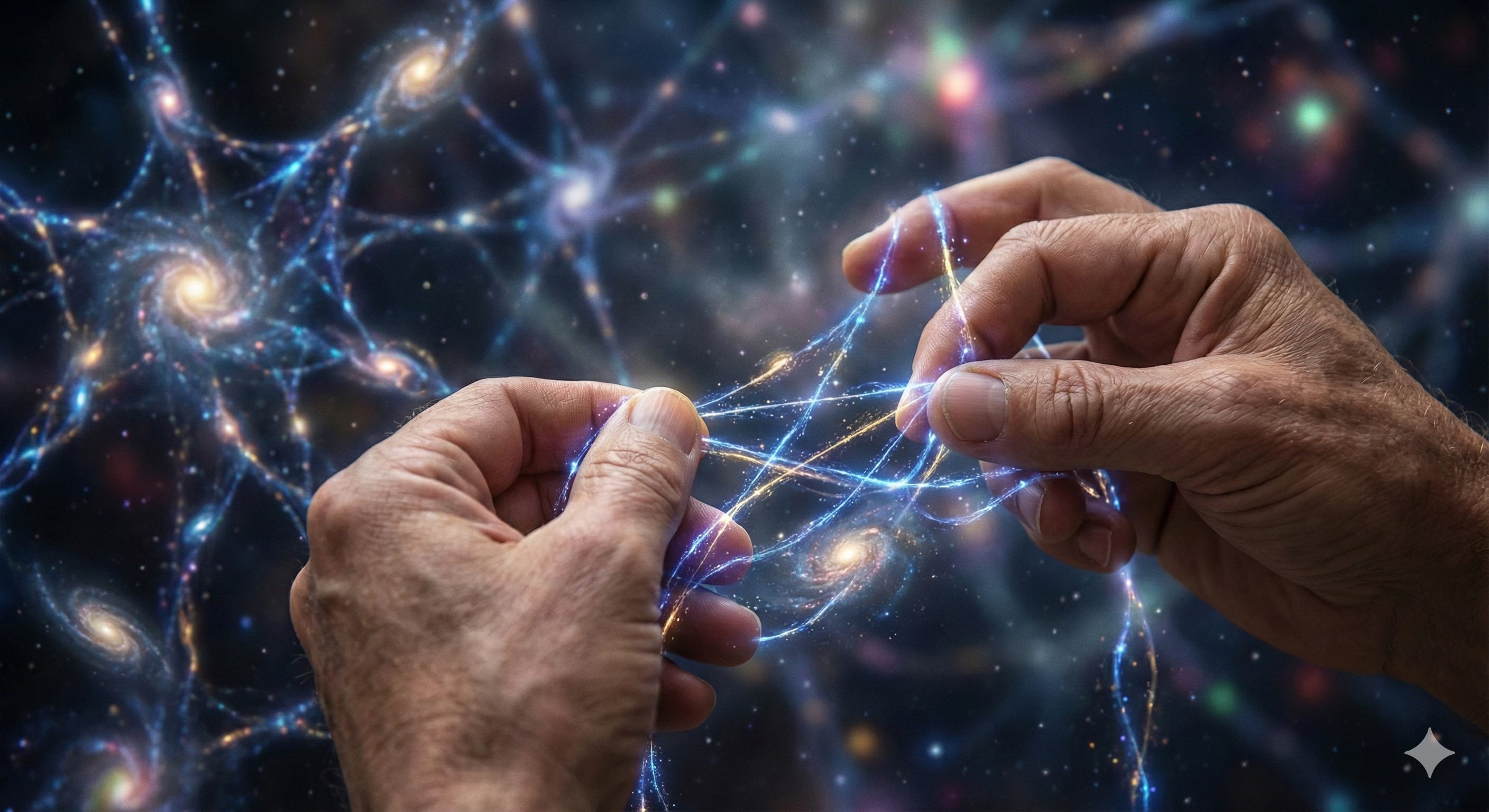
But social systems obey the same physics: They can tip towards the good.
Ideas dismissed as “lunacy” yesterday can become the law of the land tomorrow. History proves that this shift often happens with breathtaking speed – the moment a critical mass recognizes a Moral Fact.
This is exactly the process we want to examine together in the coming weeks.
The Roadmap
I invite you to explore the Mechanics of Hope. This isn’t just a series of articles; it’s an investigation. Here is our roadmap:
The Engine of Miracles: In the next article, we look under the hood of progress. We’ll use the concept of the Overton Window to understand how radical ideas – like democracy or women’s suffrage – mirgrate from “unthinkable” to “inevitable.”
The Evidence (Looking Back): We will travel to a time when burning cats alive was considered public entertainment. By tracing how we expanded our Circle of Empathy, we will analyze how morality defeated money (the abolition of slavery) and celebrate humanity’s greatest triumph: our victory over premature death.
The Test (Looking Forward): Then, it gets uncomfortable. We will examine our own blind spots. We’ll discuss our relationship with animals—the topic for which our grandchildren will likely judge us most harshly. And we will ask the ultimate question of the 21st century: How do we align Artificial Intelligence with our values before it’s too late?
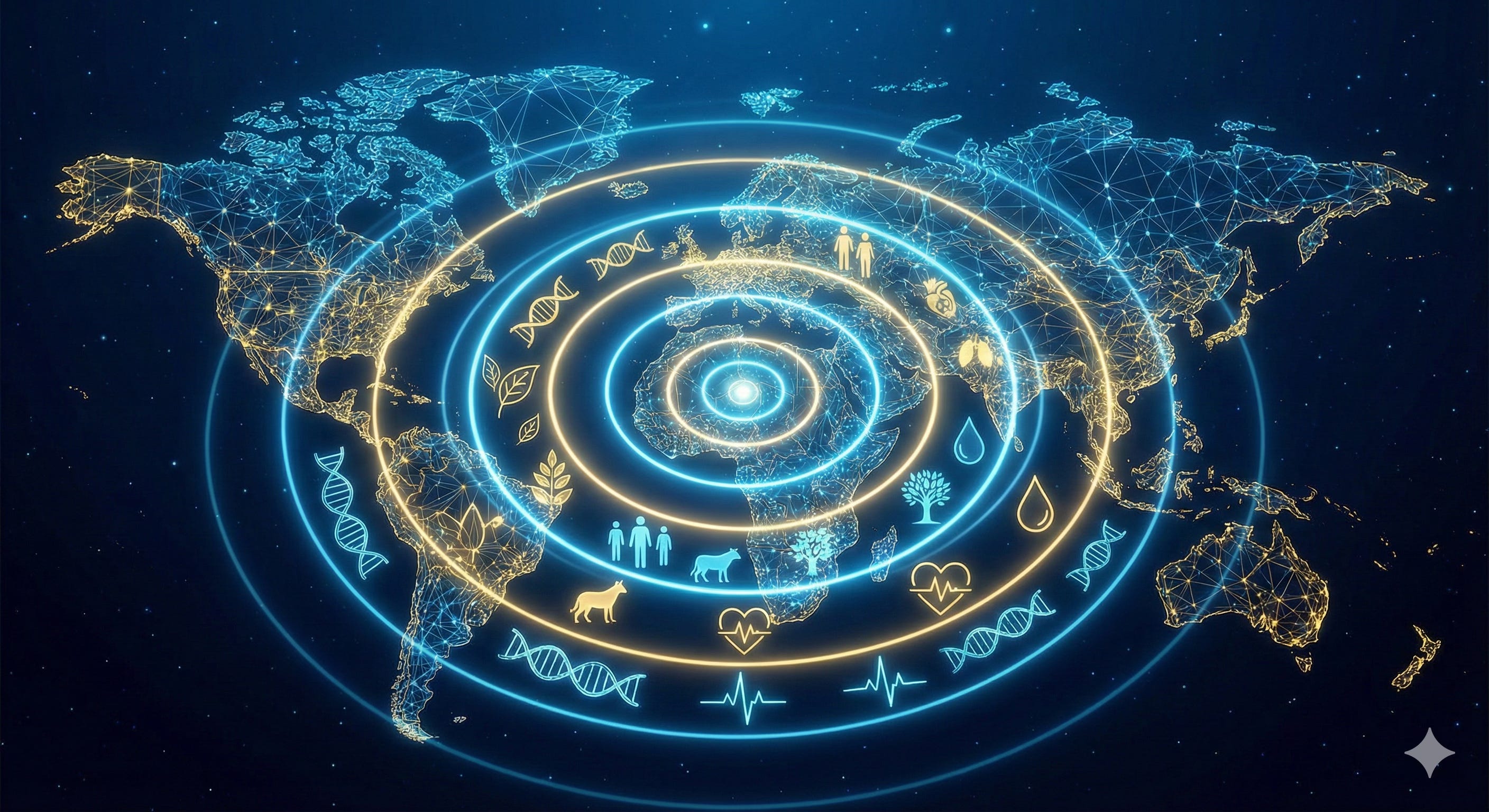
My goal for this year is to counter pessimism. Not with “good vibes only,” but with hard analysis and an ethics that places life at the center. It is true: The danger is growing. But the dynamic can change. The saving power is growing too and it grows through us. Through everyone who understands that we belong together.